

# Beyond the Lunar Frontier: Artemis II Crew Recounts the Fiery Ordeal of Orion’s High-Stakes Re-entry
The Pacific Ocean became the stage for a historic homecoming last Friday as the Orion spacecraft bobbed gracefully in the waves, marking the triumphant conclusion of the Artemis II mission. This ten-day lunar odyssey did more than just break records; it pushed the boundaries of human reach, carrying its four-member crew further into the cosmic dark than any humans in history. As the recovery teams approached the scorched capsule, the world caught its first glimpse of a vessel that had survived the ultimate trial by fire. The astronauts, now safely back on terra firma, have begun sharing their firsthand accounts of the harrowing descent, specifically detailing the visible “charring” and material shedding of the spacecraft’s heat shield—a critical component that stood between them and the 5,000-degree Fahrenheit plasma of re-entry.
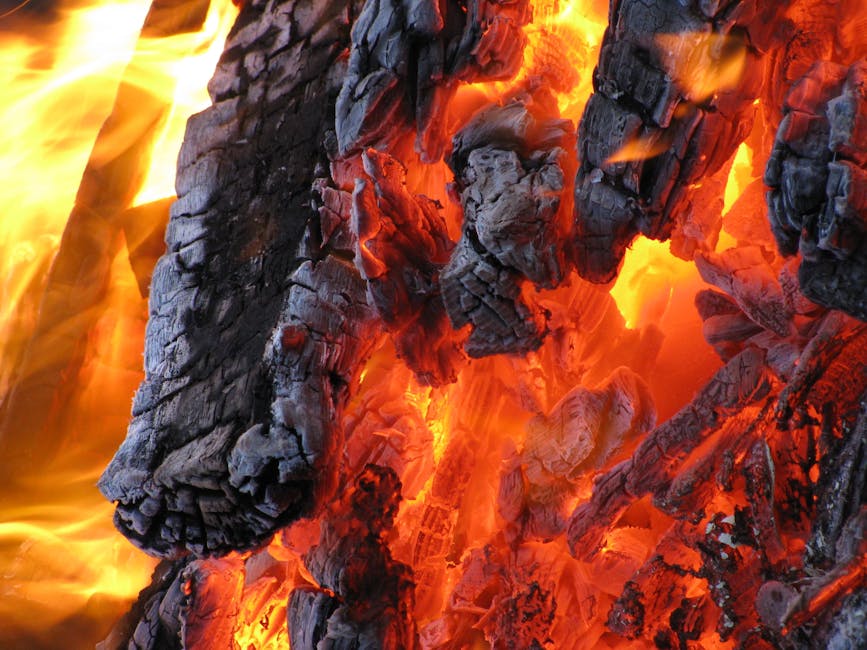
The return from the Moon is not a gentle glide but a high-stakes kinetic battle against physics. Hitting the Earth’s atmosphere at speeds exceeding 25,000 miles per hour (Mach 32), the Orion capsule relied on its 16.5-foot-wide ablative heat shield to dissipate immense thermal energy. This shield is composed of Avcoat, a sophisticated epoxy resin that is designed to “sacrifice” itself; as it heats up, the material chars and flakes away, carrying the intense heat with it and protecting the pressurized cabin inside. During post-flight briefings, the Artemis II crew described the mesmerizing yet sobering sight of glowing embers and charred fragments streaking past their windows—a vivid reminder of the violent atmospheric friction required to bleed off the velocity gained during their journey from the lunar far side.
While the “charring” observed on the heat shield was an expected part of the ablation process, NASA engineers are now meticulously analyzing the patterns of material loss to ensure they align with their predictive models. Following the uncrewed Artemis I flight, some unexpected “spalling”—where small pieces of the shield broke off differently than anticipated—became a primary focus for safety teams. The Artemis II crew’s feedback provides an invaluable human perspective on the vibrations and thermal sounds associated with this process. Their reports suggest that while the exterior of the craft looks like a toasted marshmallow, the structural integrity remained flawless, validating the “skip re-entry” maneuver used to bleed off speed and precision-target the splashdown zone.
The significance of this mission’s success cannot be overstated, as it serves as the final “proof of concept” before NASA attempts to put boots back on the lunar surface with Artemis III. The four pioneers aboard Orion didn’t just survive a fiery plunge; they gathered the data necessary to refine deep-space life support systems and radiation shielding. For the crew, the sight of the charred heat shield wasn’t a sign of failure, but a badge of honor—a testament to the engineering marvel that allowed them to traverse the vacuum of space and return to the blue marble of Earth. As we look toward the South Pole of the Moon and eventually Mars, the lessons learned from this scorched heat shield will be the foundation upon which future interplanetary travel is built.
***
### Space Facts & Takeaway
* **The Speed of Return:** Artemis II entered the atmosphere at roughly 11 kilometers per second (25,000 mph), which is significantly faster than a return from the International Space Station (ISS).
* **The